Self-Awareness in Construction Leadership: The Foundation of Happier Employment
Research shows 95% of us think we’re self-aware, but only 10-15% actually are. In construction leadership, this gap matters and it’s costing businesses talent.
In construction, we’re trained to see problems clearly. A structural issue. A budget blowout. A safety risk.
But when it comes to seeing ourselves clearly? That’s where most leaders struggle.
Recent research shows 66% of construction professionals would refuse a promotion if it impacted their wellbeing. Yet how many leaders actually recognize when their own stress, frustration, or defensive reactions are creating the exact culture people want to escape from?
Our happiness or unhappiness in our jobs is directly connected to how we feel about our work, our colleagues, and our workplace. Self-awareness isn’t soft skills fluff, it’s the foundation of creating happier employment in high-pressure construction environments.
The Self-Awareness Gap
Research by organizational psychologist Tasha Eurich has shown that self-awareness is a rare quality: 95% of us think we are self-aware, but only 10-15% of us actually are. We are unaware about our self-awareness – quite the vicious circle.
Our brains run on overdrive to protect our sense of self-worth, creating narratives that show us as the best version of ourselves. Others don’t see us clearly either, they see a version of us based on their own interpretations, assumptions, and values.
In an industry already facing 47% turnover rates, this gap matters. Leaders who lack self-awareness unintentionally create the cultures people want to leave.
Building Self-Awareness: Practical Tools
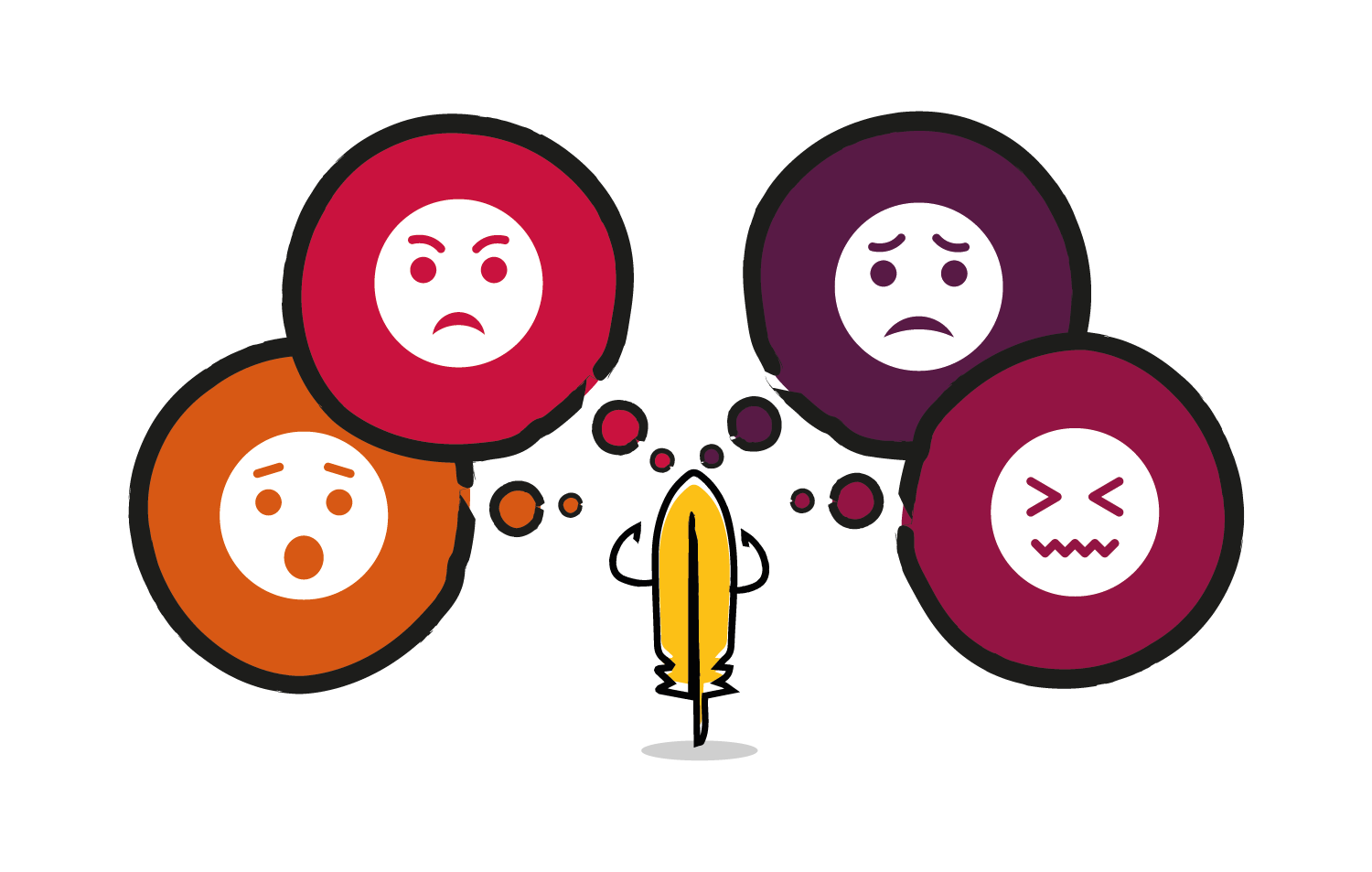
- Notice and Name When you feel defensiveness, blame, or justification rising, stop. Notice what you’re feeling and name it: “I’m feeling defensive because I heard criticism.” This simple act calms your amygdala and creates space for rational thought.
- The Post-Situation Debrief After an emotional or uncomfortable situation, once the dust settles, reflect: What actually happened? How did I feel? What was I thinking? What did I need in that moment?
- Challenge Your Perspective Your perspective isn’t right or wrong – it’s just what you think. Someone else’s perspective isn’t right or wrong either. Work hard to step into their perspective, and you’ll develop empathy and build stronger relationships.
- Share Your Emotions (Appropriately) Discussing emotions at work forges genuine connections. When you’re experiencing worry, frustration, or moments of success, sharing appropriately models vulnerability that builds trust.
The Game Changer of Happier Employment
If we learn to recognize and manage our own needs, thoughts and emotions, as well as learning to understand those of others, we can achieve a far more harmonious way of working together.
Skilfully managing emotions and behaviour is the game changer of happier employment.
To improve how we think, feel and behave, we need to be curious about what we think, feel and do. If we can muster the interest and dedication to explore who we are, free of our own judgment, and also invite others to let us know what they see, then we will have the best opportunity to see the truth. After that, we can choose what we want to do differently.
At The Condor Collective, self-awareness forms the foundation of our Foundations Workshop Programme and High Impact Managers training. We help construction leaders develop this essential skill for creating happier employment.
Because creating happier workplaces starts with leaders who can see themselves clearly and choose to lead differently.
This is Part 1 of our Emotional Intelligence in Construction Leadership series. Next: Self-Regulation – Managing Your Emotions Under Pressure.
This article draws on concepts from Paula Mitchell’s book ‘Cracking Culture’ and our experience delivering emotional intelligence training in the construction industry.