
Part 2: Self Regulation: Managing Pressure in Construction Leadership

February 24, 2026
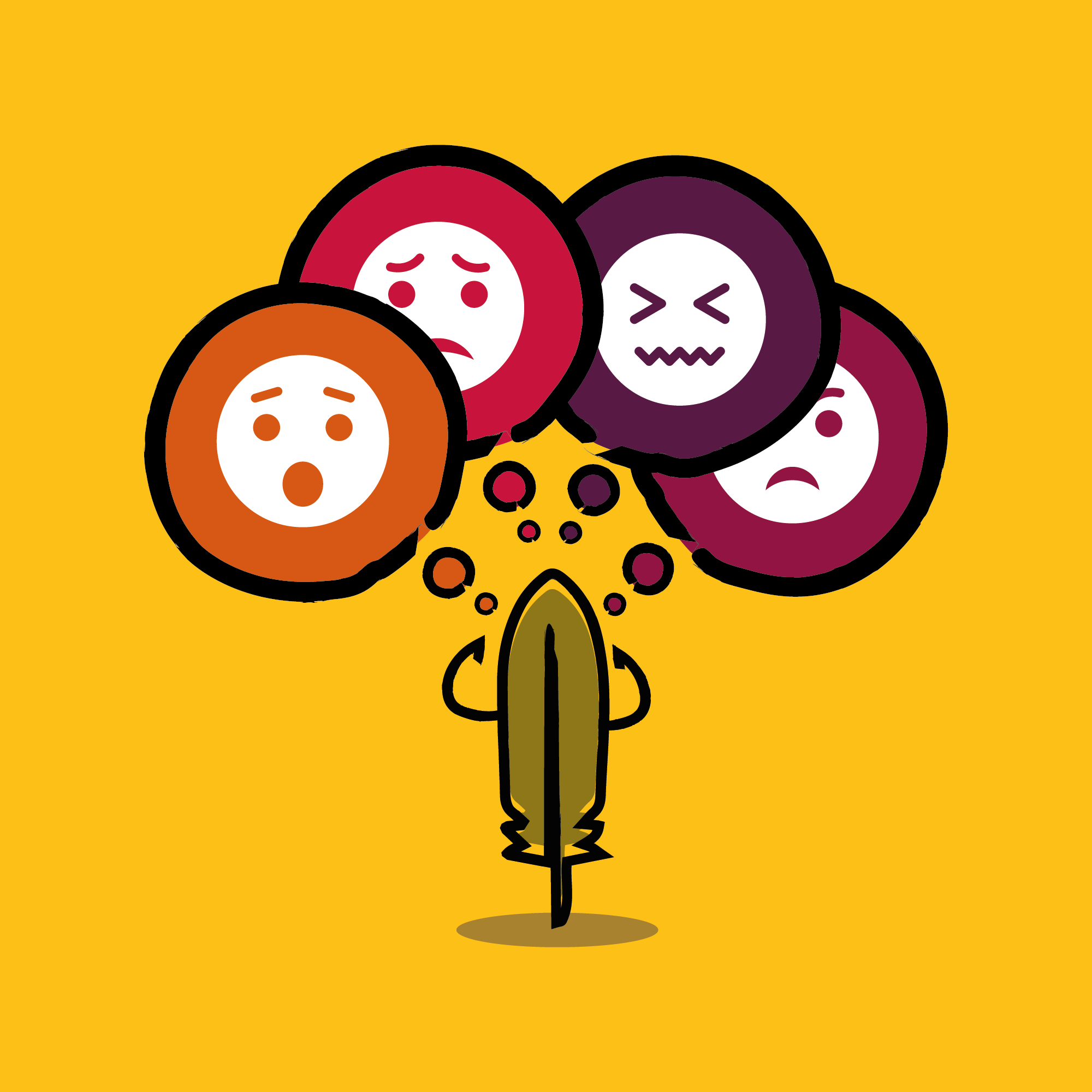
You can't control what happens on site. But you can control how you respond.
Part 2 of the Emotional Intelligence Series
In our previous article on self-awareness, we explored the foundation of emotional intelligence: recognising how we think, feel, and behave in specific situations. But awareness alone isn't enough. The true test comes when we face pressure, conflict, or unexpected challenges. This is where self-regulation becomes essential.
As Epictetus wisely observed: "If someone tried to take control of your body and make you a slave, you would fight for freedom. Yet, how easily you hand over your mind to anyone who insults you." Self-regulation is about reclaiming that control, managing disruptive emotions and impulses before they dictate our behaviour.
What Is Self-Regulation?
Self-regulation is the ability to manage disruptive emotions and impulses. It involves the critical process of pausing before responding, giving ourselves time to decide how we want to feel and how we want to behave. We know we're starting to self-regulate when we notice we're not responding impulsively.
Self-regulation isn't only about managing anger and frustration. Our ability to self-regulate allows us to bounce back from failure, stay calm under pressure, and motivate ourselves. Biological impulses drive our emotions, but we get to decide what we do with them.
Why Self-Regulation Matters
The workplace is inherently emotional. We might feel overlooked, underpaid, disrespected, or like we don't belong. We may feel restricted, unchallenged, micromanaged, or unclear about expectations. All of these feelings affect our engagement and happiness. When we learn to manage our own emotions skilfully, we create far more harmonious working relationships.
Consider this extreme example: During a visit to Scotland's high-security Shotts Prison in the late 1990s, a group of law students met with some of the country's highest-risk offenders. One man, proudly displaying three large scars on his face, explained why he had murdered someone outside a nightclub: "I didn't like the way he looked at me. He was disrespecting me."
Whilst this represents an extreme failure of self-regulation, our evolutionary need for status means we see milder versions of this every day in the workplace. Someone challenges our competence in a meeting and we lash out. A colleague questions our judgement and we become defensive. These are the same threat responses, just expressed differently. We must develop our ability to regulate our emotions and beliefs to avoid making poor behavioural choices.
Understanding Your Brain Under Pressure
To regulate our emotions effectively, we need to understand what's happening in our brains. The amygdala is the part of our brain where emotions precede rational thought. It's our threat sensor, one we've relied on to keep us alive since we were living in caves and fighting large predators with sharp sticks.
Our amygdala instinctually gets to work first, before our prefrontal neocortex (where we regulate actions and emotions) has had a chance to intervene. Problematically, our amygdala can't distinguish between real threats and perceived threats. It treats hurtful feedback in the workplace as a threat to our self-worth and status, and we can react as we would to the onslaught of a sabre-toothed tiger.
Our objective is to control our amygdala as quickly as we can. We don't need to feel threatened when someone challenges us. We can train ourselves out of that type of reaction. Life is a lot happier when we learn to observe and manage what our brain is instinctually making us think, feel, and do.
Practical Strategies for Self-Regulation
The good news is that self-regulation is a learnable skill. Here are evidence-based techniques drawn from the book "Cracking Culture" that can strengthen your emotional control:
Common Self-Regulation Challenges
Even with awareness and practice, certain workplace situations pose particular challenges to our self-regulation:
Defensiveness, Justifications, and Excuses
When we make mistakes, we regularly say "No one's perfect" or "We're only human!" We nonchalantly embrace humans as wonderfully imperfect and accept that we all have weaknesses. But when weaknesses are applied to us through feedback, most of us feel hurt and get busy with defensiveness, excuses, or blame.
These reactions are fight-or-flight responses because we feel threatened and our amygdala has got to work. All of these behaviours distract us from hearing important information that would benefit our self-awareness. Even when someone delivers feedback well, it's natural for us to feel hurt. We simply don't like hearing feedback that challenges our competence, likeability, or status.
Real Example: Justifying Distance
The author of "Cracking Culture" shares that the main critical feedback she received as a leader in her first business was that she was distant. Her idea of a work relationship was hearing enough about people's personal lives to know the names of their partners, and she expected people to be satisfied with the same level of knowledge about her. She regarded the workplace as a place for focused, disciplined work, free of unnecessary social distractions.
When this was flagged in a 360-degree feedback exercise, her response was to justify it away with thoughts like:
- "I can't be good at everything"
- "I don't need close relationships with people at work"
- "I don't have time to socialise when I'm at work"
- "Having closer relationships would make me a less effective leader"
Looking back, she realised she could have significantly improved her leadership by understanding and investing more in the value of relationships at work. She could still carry out difficult conversations when necessary. In fact, the deeper relationships she has now make those conversations far easier and more impactful.
The lesson: listen to what people need and work out how to give it to them, rather than justifying your need for existing behaviour.
Concepts of Fairness
Concepts such as fairness or unfairness are simply thoughts. We subjectively decide what we think is fair or unfair based on past experiences, the values we were taught throughout our lives, our own personal circumstances, or our beliefs. Fairness is an opinion, and it's all too often very emotionally charged because we feel so entrenched in our perspective.
Consider this: imagine you negotiated a pay rise and were extremely happy with it. Then later the same week, you discovered that someone of similar experience, tenure, and performance level was paid more than you. Having originally thought your deal was great, would you suddenly feel your deal was unfair?
If we can start to reflect on our thoughts and feelings, we give ourselves the opportunity to challenge why we think and feel the way we do. This gives us space to calm our amygdala, consider different perspectives, and choose our next move.
Building Your Self-Regulation Practice
Self-regulation is a skill that improves with deliberate practice. Here's how to develop it systematically:
Retrospectively Unpack Your Behaviour
Think of a situation recently where you experienced negative emotion and work through these questions:
- How did you behave? What happened?
- What emotions were you feeling?
- What thoughts were you thinking?
- What did you need that you didn't have? (For example: understanding, freedom, appreciation, belonging)
If you work through this exercise each time you experience an emotionally charged situation, you'll start to understand more about the thoughts and needs you have and how they affect your emotions and behaviour.
Start Small and Build Gradually
Choose one technique from this article that resonates with you. Perhaps it's box breathing, or saying your emotions out loud, or practising cognitive reframing. Commit to using it consistently for two weeks in situations where you feel emotionally triggered.
As you build competence with one strategy, add another. Like physical fitness, emotional regulation capacity builds over time. Small, consistent efforts compound into significant capability.
Remember: Imperfection Is Normal
You will have moments when emotions get the better of you. The mark of self-regulation isn't never failing; it's recovering quickly, learning from the experience, and gradually improving your baseline. With dedication, deliberate practice, and patience, we can become extremely accomplished at managing our emotions and choosing how we behave.
Conclusion
Self-regulation transforms self-awareness into practical effectiveness. Whilst self-awareness helps you recognise your emotions, self-regulation gives you the power to manage them before they manage you. This creates the stability and consistency that others can rely on, especially during challenging times.
As the quote from Lao Tzu reminds us: "Mastering others is strength; mastering yourself is true power." Self-regulation is that true power. It's not about suppressing or denying emotions; it's about acknowledging them, understanding them, and consciously choosing how to respond.
In our next article, we'll explore empathy and relationship management, the outward-facing components of emotional intelligence. We'll examine how emotionally intelligent leaders recognise emotions in others, build strong relationships, and create cultures where people thrive.
Remember: what's in the way of better self-regulation? Our brains are. Our emotional reactions are. Our patterns of behaviour are. But with awareness and practice, we can retrain our brains away from instinctual reactions to form new, more constructive patterns of behaviour. The journey requires patience, but the rewards are profound.
This is Part 2 of our Emotional Intelligence in Construction Leadership series. Next: Self-Regulation - Empathy and Relationship Management.
This article draws on concepts from Paula Mitchell's book 'Cracking Culture' and our experience delivering emotional intelligence training in the construction industry.